
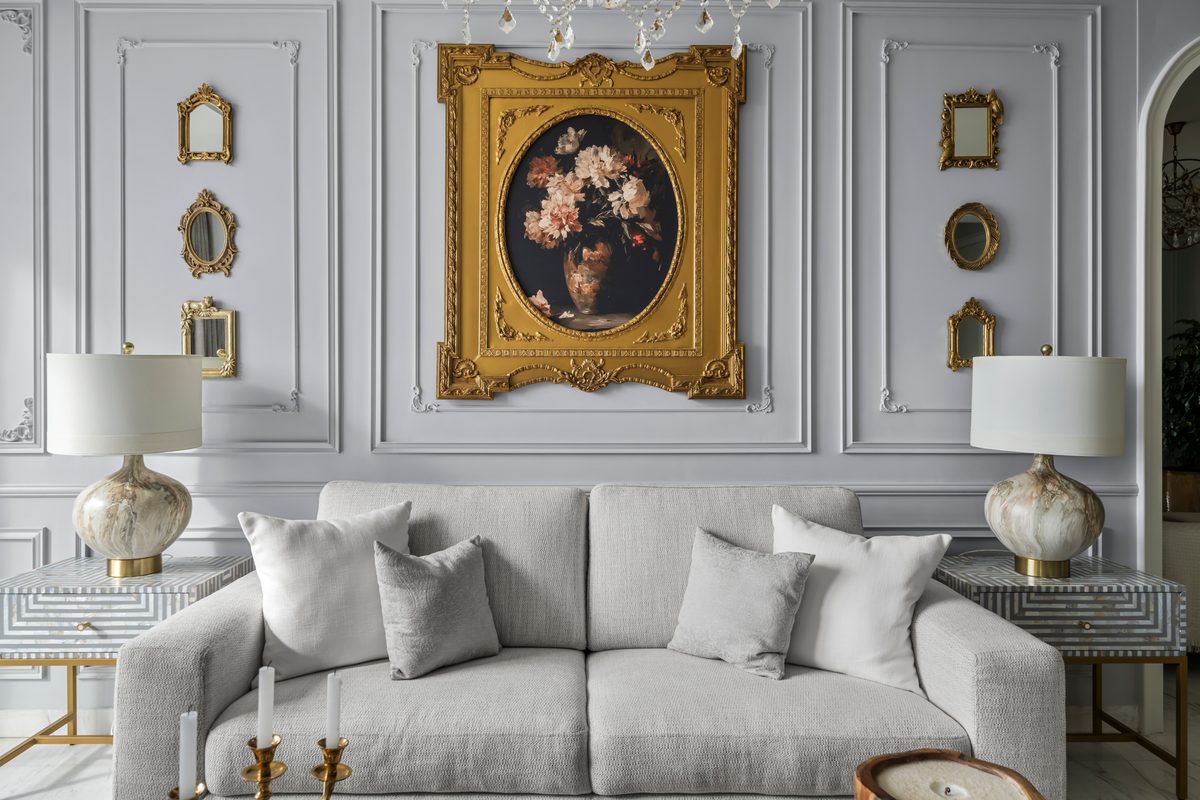
Every interior shoot I do starts the same way: not with a camera, but with a compass. Before I move a single piece of furniture or set up a light stand, I want to know which way the windows face and what time the sun crosses them. That single fact decides more about the final photograph than the lens, the camera body, or the room's own design.
The room already has a lighting designer — the sun
Architects and interior designers spend enormous care placing windows, choosing glass tints, positioning skylights. That work is a gift to a photographer, but only if you show up when it's actually performing. Shoot a west-facing living room at 10am and you'll get flat, indifferent light. Shoot the same room at 4:30pm and the same window becomes a soft, raking source that pulls texture out of every surface — the grain in a wood floor, the weave in a linen sofa, the slight orange-peel finish on a painted wall.
On the Tata Promont shoot, the living room's floor-to-ceiling windows face roughly southwest. We scheduled that frame for late afternoon specifically so the light would rake across the floor at a low angle rather than fall flat from overhead. It's the difference between a listing photo and a photograph someone stops scrolling for.
Colour temperature is a decision, not an accident
Daylight shifts colour dramatically across a few hours — cool and blue at midday, warm and amber near sunset. Mixing that shifting daylight with a room's tungsten or LED fixtures (usually a warmer, fixed colour temperature) is where a lot of interior photography goes wrong: you get one wall that reads orange and a window view that reads blue, and no amount of editing fully reconciles the two convincingly.
My rule of thumb: pick a dominant light source for the frame and let everything else support it. If the natural light is the hero, I'll often turn practical lamps off entirely, or dim them so they read as a warm accent rather than competing for attention. If the room genuinely needs its interior lights on to feel alive — a restaurant at dusk, a bedroom in the evening — then I'll balance exposures in-camera across a few brackets rather than trying to fix a mismatch afterward.
Overcast days are not a compromise
Clients sometimes apologise for booking a shoot on a cloudy day, as if we've lost something. We haven't. An overcast sky is effectively a giant softbox — even, diffused, forgiving of hard architectural lines and reflective materials like marble or polished concrete. What you lose is drama and shadow definition; what you gain is consistency and an easier time keeping a whole room evenly exposed. For a kitchen full of glossy cabinetry, I'll often prefer overcast light over a harsh midday sun that turns every surface into a hot spot.
What this means if you're planning a shoot
If you're commissioning interior photography — for a completed project, a listing, or a portfolio piece — the single highest-leverage thing you can do is let the photographer choose the time of day per room, rather than fixing one call time for the whole property. A west-facing bedroom and an east-facing kitchen are never going to peak at the same hour. Building in that flexibility, even by an hour or two, is usually the difference between photographs that look staged and ones that feel like the space on its best day.